Bone structure, skin quality, genetics, and lifestyle habits can all affect how the skin on your face ages. Some people notice puffiness or sagging beneath their eyes as part of the ageing process, and this may be an aesthetic concern that they wish to address.
In some cases, adjustments in lifestyle, such as improving sleep, reducing salt intake, or using different skincare products, may help lessen their appearance. When these methods are not enough, professional treatments using energy-based devices or other technology could be the next step. At AF Aesthetics, we offer a range of clinical options in Sydney for under-eye concerns, as well as some strategies you can use at home if you are wondering how to reduce eye bags.
What Are Eye Bags?
We use the term “eye bags” to refer to the swelling or puffiness that develops beneath the eyes. With mild eye bags, you may have slight puffiness that comes and goes depending on how tired you are, while more pronounced eye bags can create a persistent bulge under the lower eyelids. The appearance can vary widely from person to person, depending on age, lifestyle, and underlying anatomy.
Eye bags are different from dark circles, which are usually related to pigmentation, thinning skin, or visible blood vessels rather than swelling or bulging tissue. While both concerns can occur together, the treatments for them may be different. When you come in for a consultation, we can examine the under-eye area and recommend treatments based on the concerns you have.
What Causes Puffiness Under the Eyes?
Under-eye puffiness can develop from a reduction in collagen that makes the skin thinner, the build-up of fluid in the lower eyelids, or the shifting of fat pads beneath the eyes. While mild puffiness may improve with rest or skincare, persistent swelling is often influenced by broader factors that go beyond your daily habits.
Ageing
One of the primary under eye puffiness causes is the natural ageing process. It is normal to have a decline in collagen production as you get older. The average rate is a decrease of about 1% per year starting in your mid-20s, a rate which accelerates as you enter your 40s. As skin loses elasticity and the supportive tissues around the eyes weaken, fat that normally sits within the orbital area can push forward and create a visible bulge under the lower eyelid.
Genetics
Eye puffiness can also be influenced by hereditary factors. Some people may be more predisposed to fat displacement or fluid retention in the lower eyelids because of their family traits. If this is the case with you, you may have swelling under the eyes earlier, or you may notice that it is persistent regardless of your age or lifestyle.
Lifestyle Factors
Habits like inadequate sleep, high salt intake, alcohol consumption, or smoking influence fluid balance in the body and make swelling under the eyes more likely. Extended screen use and eye strain may also contribute to puffiness by reducing circulation around the delicate under-eye area. If you already have a genetic tendency towards eye bags, these lifestyle-related triggers can make them more pronounced.
Allergies and Sinus Issues
Seasonal allergies or chronic sinus problems can lead to inflammation and congestion that affect the tissues beneath the eyes. When nasal passages are irritated or blocked, fluid can accumulate in nearby areas and produce swelling in the lower eyelids. Treating allergy or sinus issues can sometimes reduce this puffiness without any other treatments.
How to Minimise Eye Bags
Reducing eye bags may involve several different approaches since the causes are so varied. Simple adjustments at home, including lifestyle changes and different skincare products, can be a good start to improve your overall health and skin quality. These can often be combined with in-office treatments that address structural changes in the skin and underlying tissues.
At-Home Methods for Eye Bag Reduction
Addressing Any Underlying Factors
Before focusing on cosmetic improvement, it is important to identify whether puffiness is being caused by an underlying issue such as allergies, sinus congestion, or thyroid conditions. Treating these factors directly may reduce swelling and help prevent bags from being as prominent. You can take simple steps like using an air purifier for seasonal allergies or consulting with your doctor about persistent sinus concerns.
Sleep and Hydration
Adequate sleep and proper hydration are two practical ways to support healthier-looking undereyes. When the body is well-rested, fluid balance is more regulated, which can prevent puffiness from worsening. Staying hydrated helps flush excess sodium out of your system and reduces the chance of fluid retention in the delicate tissues beneath the eyes.
Use Cold Compresses
Cold therapy can temporarily shrink dilated blood vessels and decrease swelling. Options can include cucumber slices, cold tea bags, gel masks, and more. Even a few minutes of cold application in the morning can provide a visible difference in puffiness throughout the day.
Gentle Eye Massage or Lymphatic Drainage
Light massage around the orbital area may help stimulate circulation and encourage lymphatic drainage. Use your ring finger to gently press and glide along the lower eyelid toward the temples to help disperse excess fluid. Skincare tools such as jade rollers or gua sha stones can also be used, but they should always be applied carefully to avoid unnecessary pressure on the thin under-eye skin.
Professional Treatments for Eye Bags
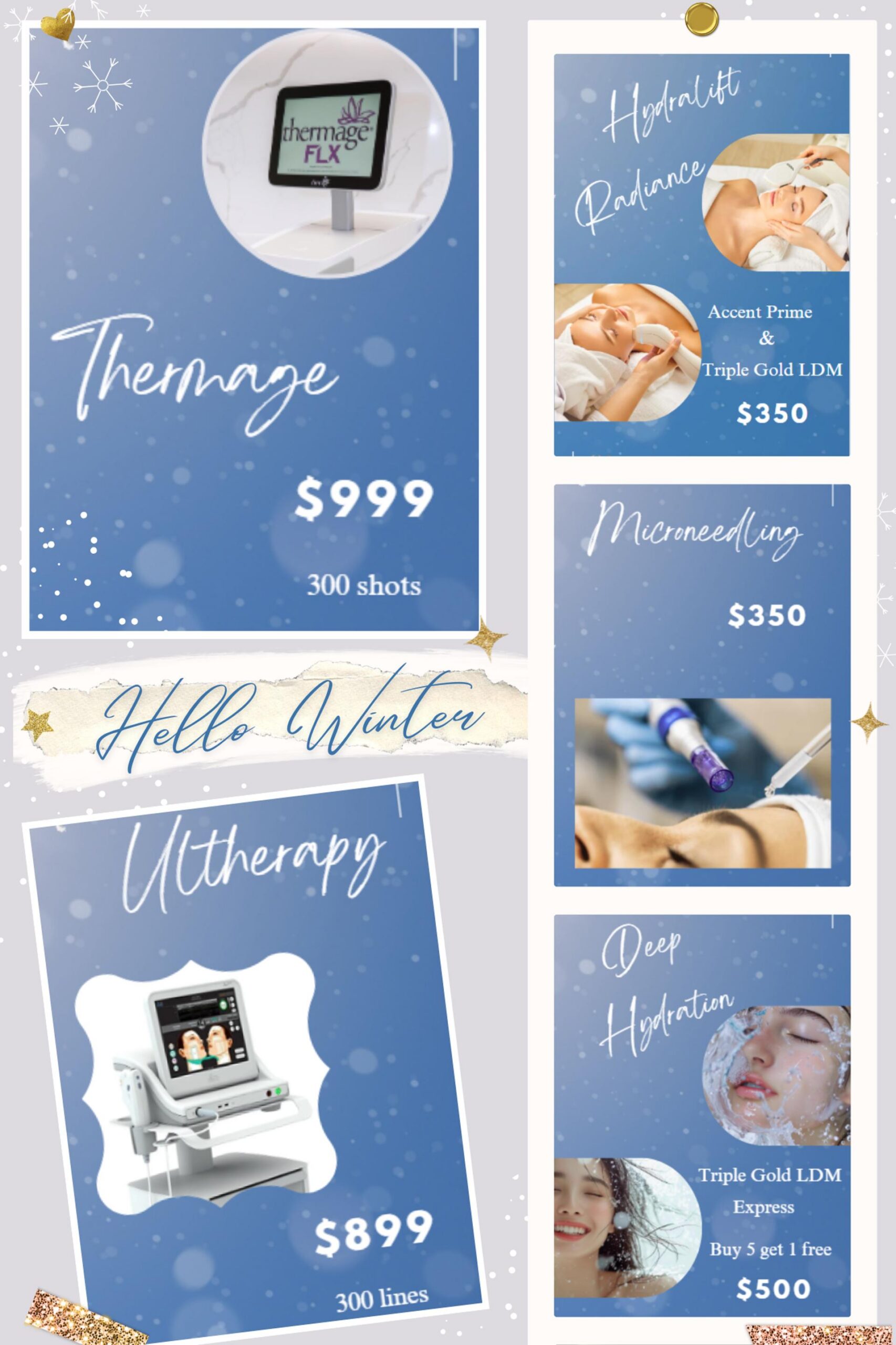
Thermage FLX
Thermage FLX uses radiofrequency energy to heat the skin, which stimulates collagen production and tightens existing collagen fibres. As the skin around the eyes becomes firmer, puffiness caused by lax tissue may become less pronounced. Results develop gradually as new collagen forms, and may be different for everyone.
Secret RF Microneedling
Secret RF Microneedling combines radiofrequency energy with microneedling to treat the surface of the skin and the underlying tissue. Tiny needles on the device create little perforations, called microchannels, that encourage the skin to produce more collagen and elastin. Radiofrequency energy is applied at the same time, reaching deep within the skin to contract existing collagen and further stimulate the production of these proteins. It can be used across the face and may help improve the structure of the lower eyelid and reduce puffiness by strengthening the skin that holds the fat pads in place.
CO2RE
CO2RE is a fractional carbon dioxide laser that resurfaces the skin by removing very precise columns of tissue while leaving surrounding areas alone. The process triggers healing and collagen renewal, which helps firm and smooth the skin beneath the eyes. Because the treatment also targets pigmentation, it can be helpful for individuals with both puffiness and dark circles. Recovery can involve several days of redness and peeling, but the results may be more noticeable than with less-intensive treatments.
Rejuran
Rejuran is an injectable treatment made from polynucleotides, which are DNA fragments derived from salmon. When placed in the under-eye region, these polynucleotides support repair and stimulate collagen production. The treatment may help reduce fine lines and strengthen the delicate skin that often worsens the appearance of puffiness. Rejuran is generally performed as a series of sessions, and you can start to see gradual improvements as the skin regenerates. Results can vary depending on the cause of your under-eye bags and how your skin responds to the treatment.
Accent Prime Tune Face & Tune Eye
Accent Prime Tune Face combines ultrasound and radiofrequency technologies to target fat cells and tighten skin in the lower eyelid area. The ultrasound disrupts small fat deposits while the radiofrequency encourages collagen remodelling and supports the structure under the eye. It can be helpful for puffiness caused by both excess fat and weakened tissue. We use a smaller probe called Tune Eye when treating the periorbital area so we can more precisely target eye bags and tighten the skin around the eye.
Juvelook and Lenisna
Lenisna and Juvelook are injectable biostimulators that can enhance skin quality and structure by stimulating collagen production. These products contain poly-D-lactic acid (PDLLA), a biodegradable polymer that promotes new collagen and elastin formation while gradually breaking down into water and CO2. They also contain hyaluronic acid for hydration and volume. Juvelook is often used for the delicate area under the eye as well as fine lines, acne scars, and skin texture. Lenisna has a different formulation that is suitable for facial contouring and deeper lines. We can perform these treatments at one-month intervals with results that last between six months to two years, depending on the product and treatment area.
Other Options for Under-Eye Bags
While non-surgical treatments can provide a certain amount of skin-tightening and fat reduction, they may not be the right solution for every patient. Some individuals have more significant amounts of fat and greater skin laxity that may be resolved better with eye bag surgery. A blepharoplasty is a type of surgery that removes excess skin and fat deposits from the area under the eye.
During this procedure, an incision is placed near the lash line or inside the lower eyelid, and then skin, muscle, and fat deposits are removed or adjusted to reduce eye bags. Dr Ellis Choy is a Specialist Plastic Surgeon who can perform eyelid surgery to reduce eye bags. Sometimes, surgical and non-surgical approaches can be combined to provide more comprehensive results.
Find Out More About Solutions for Eye Bags With a Consultation in Sydney
AF Aesthetics is a cosmetic clinic in Sydney located in the Lemon Grove Shopping Centre, Chatswood. The clinic is led by an aesthetics-focused General Practitioner, a Dermatopathologist, and two Specialist Plastic Surgeons, together bringing more than 50 years of combined medical and cosmetic experience. If you are considering how to reduce eye bags with professional treatment options, we encourage you to learn more about our services through our website, or you can call us on (02) 8004 3323 to arrange an appointment.